Slovenia Considers New Power Plant in Kranjska Gora Amid Energy Supply Concerns
KRANJSKA GORA, Slovenia — The Slovenian government is planning a new power plant in Kranjska Gora as part of efforts to address energy supply challenges and strengthen electricity security in Slovenia and the surrounding region. The proposed project could represent a significant step toward reinforcing the country’s energy infrastructure as European nations continue to navigate changing energy demands, supply uncertainties, and the transition toward more sustainable power generation.
The initiative comes amid growing recognition of the importance of reliable and affordable electricity to households, businesses, and essential public services. A new power generation facility could help improve the resilience of Slovenia’s electricity system, although the project's actual contribution would depend on its generating capacity, technology, and integration into the national power grid.
Addressing Energy Security and Regional Demand
Reliable electricity supplies are essential to Slovenia’s industrial competitiveness, economic development, and public welfare. Energy shortages or disruptions can place pressure on businesses, increase operating costs, and affect households, particularly during periods of peak demand.
The proposed Kranjska Gora facility could help strengthen domestic electricity generation and provide additional flexibility to the country's energy system. Depending on its design and capacity, the plant could contribute to meeting future demand while helping Slovenia manage fluctuations in electricity availability.
The project could also have wider regional significance. Slovenia is connected to the broader European electricity market, where cross-border power trading and cooperation play an important role in balancing supply and demand. Additional domestic generation could support the country's energy resilience and contribute to regional supply stability, although the extent of any benefits would depend on market conditions and available transmission capacity.
Kranjska Gora as the Proposed Location
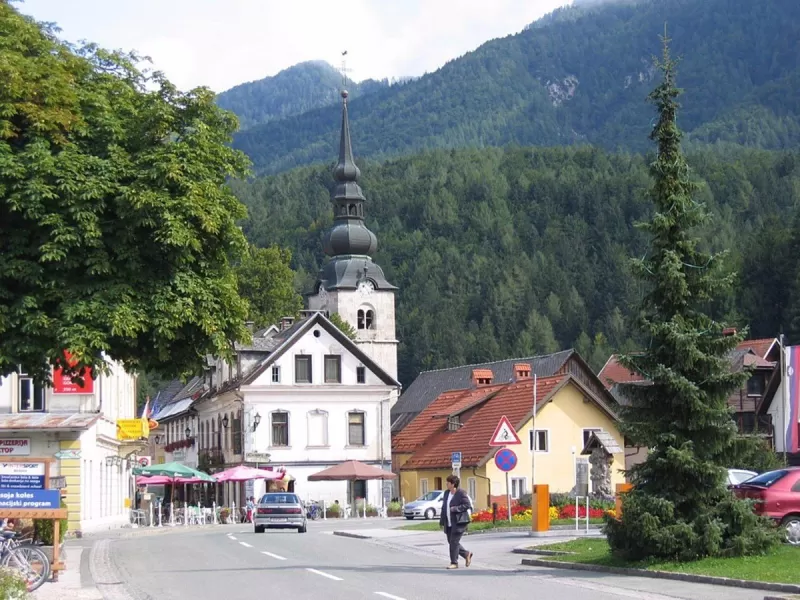
Kranjska Gora, a municipality in northwestern Slovenia known for its Alpine landscape and tourism industry, has been identified as the proposed location for the power plant.
Selecting a site for a major energy project requires careful consideration of infrastructure, grid connectivity, land availability, environmental protection, and the needs of surrounding communities. Given Kranjska Gora's natural setting and tourism-based economy, any development would likely require particular attention to landscape preservation, local environmental conditions, and the area's long-term economic interests.
Before construction can proceed, the project would need to be assessed against applicable planning, permitting, and environmental requirements. Public consultation could also be important in determining how the development would affect residents, businesses, and the surrounding natural environment.
Technology and Environmental Considerations
A key question surrounding the proposed development is the type of power generation technology the facility would use. Whether the plant relies on renewable energy, conventional generation, or another technology would have important implications for its cost, operating characteristics, environmental footprint, and contribution to Slovenia's long-term energy strategy.
If designed around low-carbon generation, the project could potentially support efforts to reduce emissions while strengthening electricity supplies. Any such benefits, however, would depend on the technology ultimately selected and the plant's operational performance.
A comprehensive assessment would also need to consider construction costs, fuel or resource requirements, water use where applicable, waste management, and potential impacts on local ecosystems. Transparent planning and independent environmental assessments would be important in establishing whether the proposed facility could deliver meaningful energy benefits without imposing disproportionate costs on the surrounding area.
Potential Economic Benefits
Beyond electricity generation, the proposed power plant could create opportunities for local economic development. Construction may generate temporary employment, while the operation and maintenance of the facility could support longer-term technical and service-related jobs.
Local suppliers and contractors could also benefit if the project creates demand for engineering, transport, construction, and other services. Improved electricity reliability could offer additional advantages to businesses that depend on stable power supplies.
Nevertheless, the overall economic impact would depend on the project's scale, financing arrangements, construction schedule, and operational requirements. A full cost-benefit analysis would be needed to determine whether the investment would provide value to taxpayers, electricity consumers, and the wider economy.
Questions Remain Over Project Details
Despite the potential benefits, several important details remain to be clarified. These include the plant's proposed generating capacity, the technology it would employ, the estimated investment, its expected construction and commissioning dates, and how the electricity would be distributed.
It is also not yet established whether the facility would be intended primarily to serve domestic demand or whether cross-border electricity supply would form part of its objectives.
These details will be central to evaluating the project's ability to address Slovenia's energy challenges. They will also help determine how the proposed development fits within the country's existing generation mix, electricity infrastructure, and broader energy policy.
No official project specifications, approved construction schedule, or confirmed investment figures have been provided in the information available for this article. The proposal should therefore be understood as a reported government plan rather than a confirmed construction project.
A Potential Step Toward Greater Energy Resilience
The proposed power plant in Kranjska Gora highlights the importance of long-term planning in maintaining secure and dependable electricity supplies. If advanced and supported by sound technical, financial, and environmental assessments, the project could become part of Slovenia's efforts to strengthen its energy infrastructure and prepare for future demand.
For now, the project's significance will depend on the details that emerge regarding its design, feasibility, financing, and regulatory approval. Until those details are confirmed, it remains too early to determine how much additional electricity the facility could generate or how substantially it might ease regional energy shortages.
As Slovenia considers its next steps, the balance between energy security, affordability, environmental protection, and regional cooperation is likely to remain central to the discussion surrounding the proposed development.